
Medical Weight Loss & Obesity Medicine
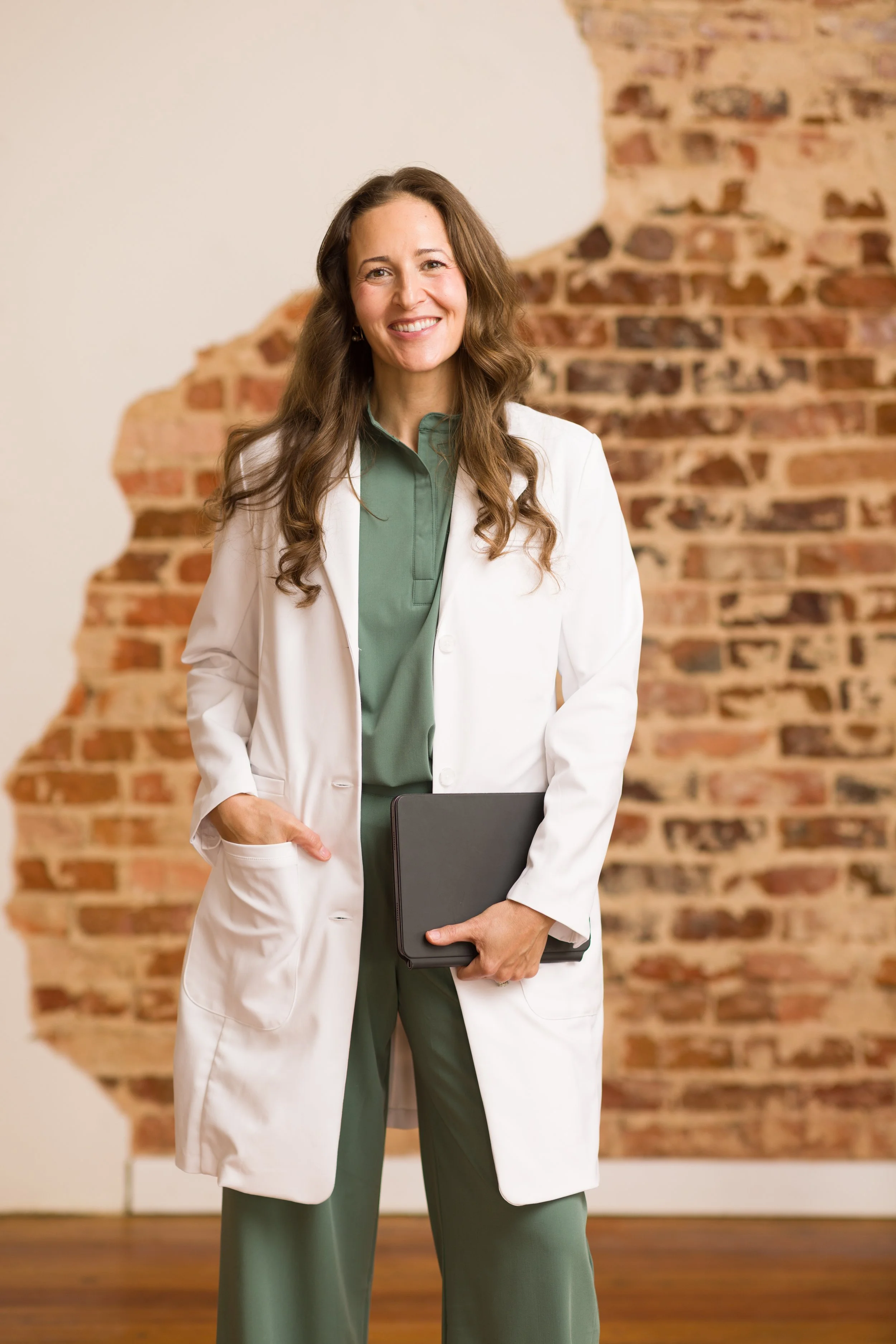
Dr. Maria Casiano is a board-certified gynecologist and a Diplomate of the American Board of Obesity Medicine (DABOM). To earn it, a physician must already hold a medical board certification, complete specialized training in obesity medicine, and pass the board's certification exam.
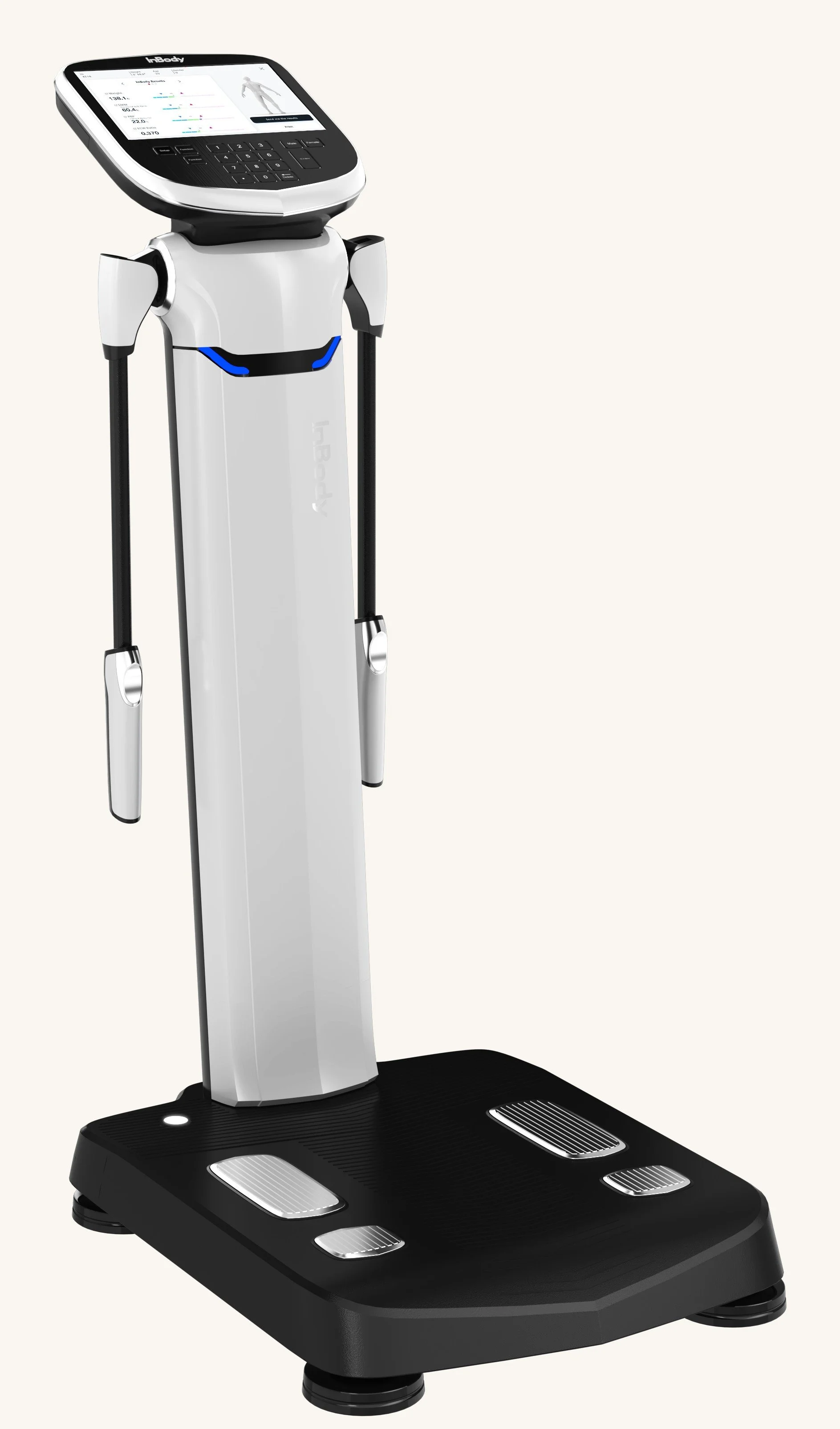
At Whole Women's Care, your first visit is a full 60 minutes with Dr. Casiano and includes an InBody 580 body composition analysis. Your plan is built on what your body is made of, not just what the scale says.
Located in Marietta, the practice is a short drive from Kennesaw, Acworth, East Cobb, Smyrna and Vinings, serving women across Cobb County and the greater Atlanta area.
Whole Women's Care is a direct-pay practice and does not bill insurance.
Why is my weight changing now?
In the years around menopause, falling estrogen shifts fat toward the abdomen and makes muscle harder to keep, even when your eating and exercise haven't changed. Many women notice:
Weight gain around the midsection
Clothes fitting differently even when the scale barely moves
Less strength or energy than before
Strategies that used to work no longer working
Rising blood sugar, cholesterol, or blood pressure
Poor sleep and cravings making everything harder

Already taking a GLP-1 medication?
Many women start semaglutide (Wegovy, Ozempic) or tirzepatide (Zepbound, Mounjaro) through an online program or another clinic. Dr. Casiano can review or take over your care, including:
Side effects such as nausea, constipation, or fatigue
Plateaus and dose adjustments
Protecting muscle and bone while you lose weight
How a GLP-1 fits with hormone therapy and your menopause care
Planning for the long term, including what happens if you lower your dose or stop

What your visit includes
A detailed review of your weight history, what you have already tried, your medications, and your personal and family health history
InBody 580 body composition analysis, measuring muscle, body fat, and visceral fat
Lab testing when it adds useful information
A clear discussion of your options, including nutrition and strength strategies, weight-loss medications such as GLP-1s when appropriate, and how menopause treatment fits in
Repeat body composition scans to confirm you're losing fat, not muscle
A personalized plan and ongoing follow-up
Why see a physician board-certified in obesity medicine?
Weight-loss medications are easier to get than ever. Getting a prescription is rarely the hard part. Using it well is: choosing the right medication and dose, managing side effects, protecting muscle, and knowing what to do when progress stalls.
In major clinical trials, roughly a quarter to two-fifths of the weight lost on GLP-1 medications was lean mass, which includes muscle. Women already lose muscle faster in midlife, so Dr. Casiano tracks body composition rather than relying on the scale alone.
Dr. Casiano is a gynecologist with more than 15 years of experience, a Menopause Society Certified Practitioner, and board-certified in obesity medicine. Your weight, hormones, and gynecologic care are managed together by one physician, who can examine, order and interpret tests, and adjust your plan herself.
-
No. Whole Women's Care is a direct-pay, out-of-network practice and does not bill insurance. Payment is due at the time of service. HSA and FSA cards are accepted, and a superbill is available on request if you'd like to seek reimbursement from your insurer. Coverage for weight-loss medication is decided separately by your pharmacy plan. See Your Care Options for visit fees.
-
FDA-approved weight-loss medications are generally for adults with a BMI of 30 or higher, or 27 or higher with a weight-related condition such as high blood pressure, prediabetes, or high cholesterol. Dr. Casiano reviews your full history to decide whether medication is right for you.
-
Some lean mass is lost with any significant weight loss. Enough protein, regular strength training, and measuring body composition along the way help protect it. That is why an InBody scan is part of your care here.
-
Not necessarily, but many people regain weight after stopping, because obesity is a chronic condition. Dr. Casiano will plan with you for the long term, including the option of lowering your dose.
-
Hormonal changes in midlife tend to shift fat toward the abdomen and reduce muscle. Hormone therapy isn't a weight-loss treatment, but treating poor sleep and hot flashes can make other changes easier. Learn more about menopause and perimenopause care.
-
Your first visit is typically in person. Follow-up visits can often be done virtually.